Filter Subscription
With the filter subscription you will receive a fruit-forward coffee which is perfect for filter brews. We usually change coffee every two to three months. This subscription is suited for coffee lovers, that enjoy a meditative way of preparing their filter brews at home.
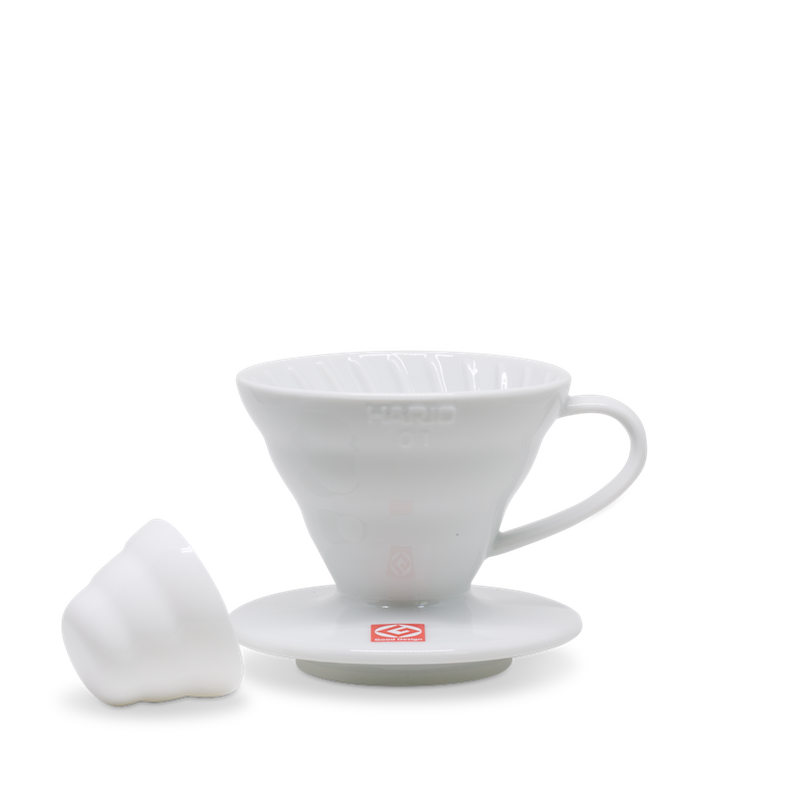
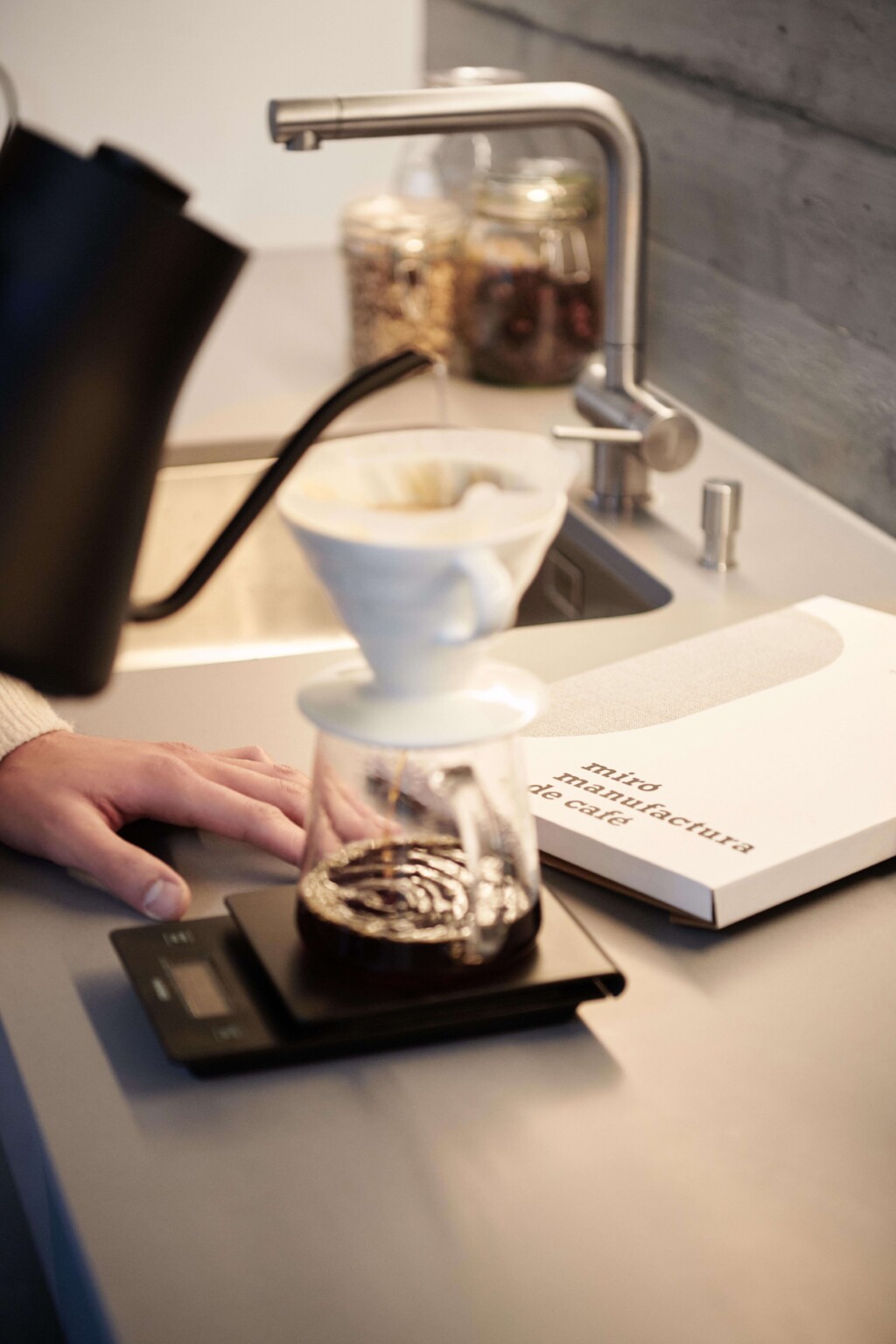
The coffees chosen for Filter Subscription can always be prepared with Hario V60, AeroPress or French Press.
If you like it fancy, you can for sure also pull an Espresso with it and see how you like it. Make sure to choose a fine grind for it then!
Every sending contains 330g full beans.
The subscription runs monthly and renews automatically.
At any time you can cancel or pause during your holidays if wished. Got more questions? Our FAQ answers it all!
Current coffee:
Producer Washing Station Tadesse Desta
Origin Ethiopia
Process Fully Washed
Arabica Varietal Heirloom
Roast profile light
Suited for Filter brews of all kinds
Filter Subscription
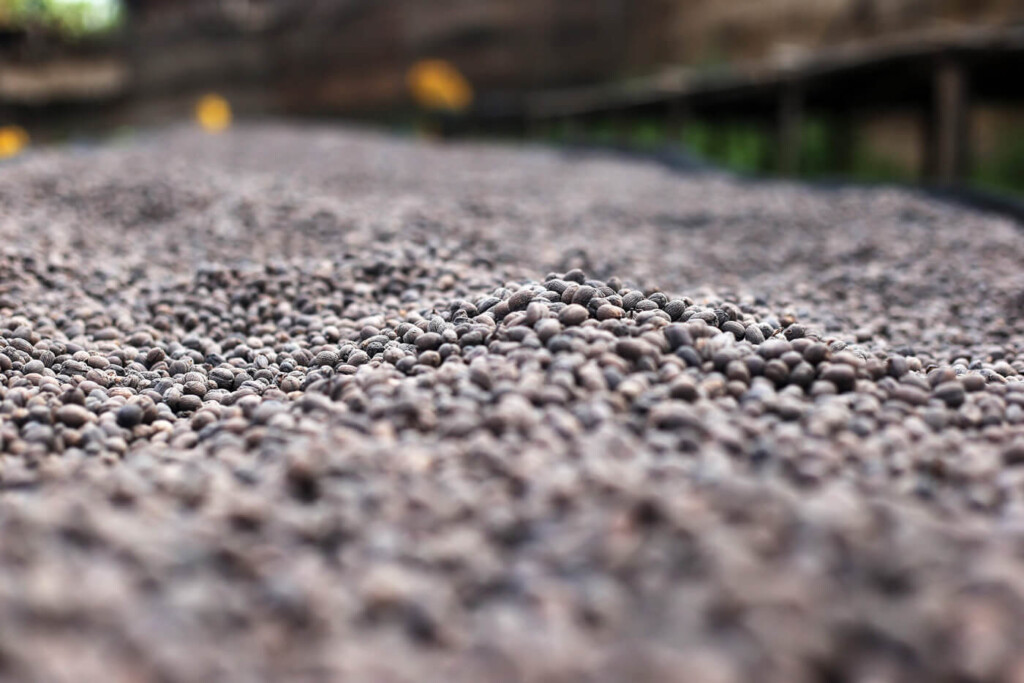
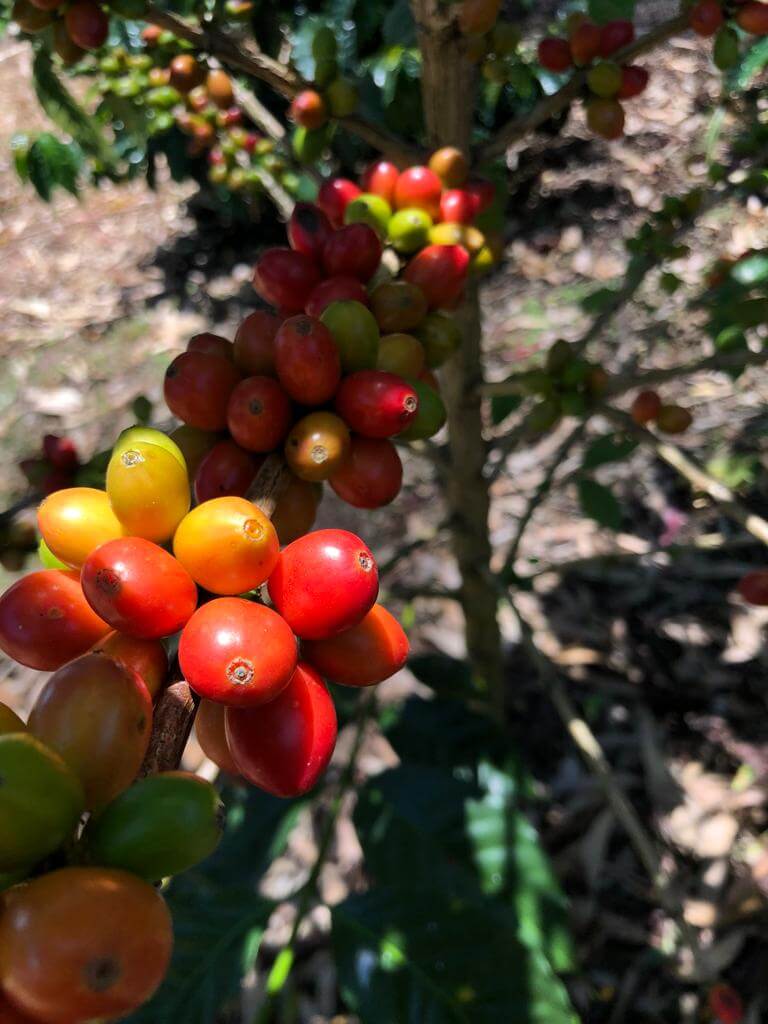
Tadesse Desta in the Filter Subscription
About the region
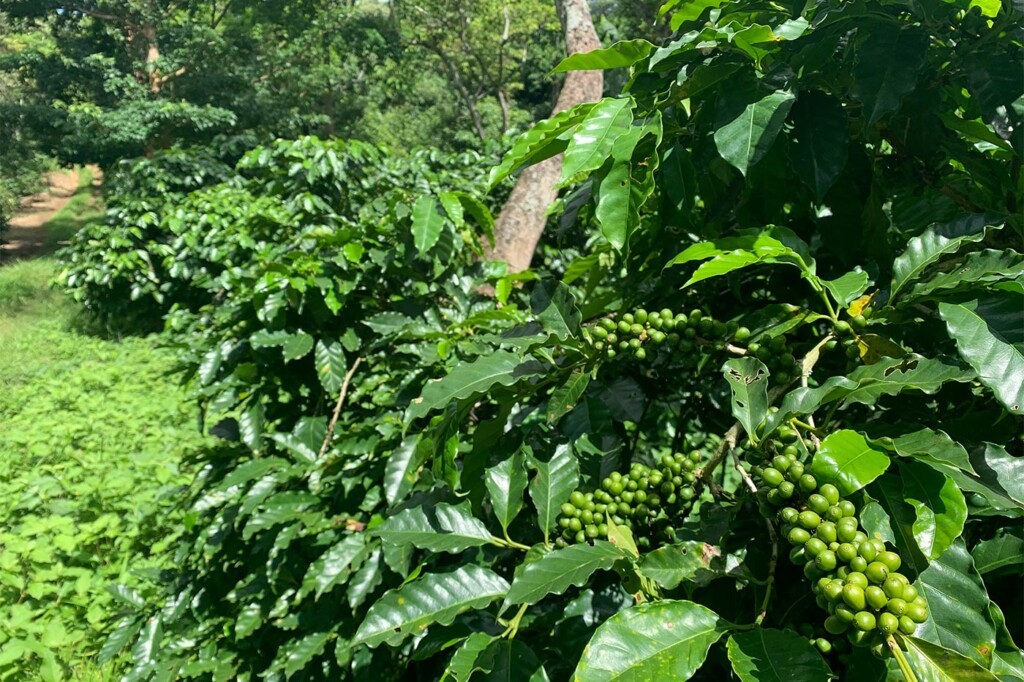
In the south of Ethiopia, about 400km south of Addis Ababa, lies the home of Yirgacheffe coffees. Geographically all Yirgacheffes are from the Gedeo Zone which is situated south of the Sidamo Zone.
The name Yirgacheffe is a reference to the zone’s capital city. Until today, the astonishing biodiversity in the localcoffee plants has been preserved, resulting in unique and sophisticated coffees which never cease to surprise.
The hilly terroir, stable temperatures and the rich soil all contribute to the slow and steady maturation of the coffee cherries and, consequently, to a complex flavour profile.
The coffees from this growing region are processed both dry and wet, whereby the washed green coffees were originallylabelled with the quality additions “Grade 1” and “Grade 2” and the unwashed with “Grade 4”. However, as the unwashedqualities have also de- veloped very positively over the years, unwashed qualities are now also labelled with “Grade 1” and “Grade 2”.
Harvesting in Yirgacheffee takes place in the winter months from October to January, relatively late compared to theharvest of other washed coffees. This is partly due to the height at which the coffee is grown. The coffee here is mainlygrown by smallholders on red volcanic soil. This soil is very rich in nutrients and contributes very well to thedevelopment of the lively, flowery cup profile. Harvest- ing is basically done by the families of the smallholders, only a few large farmers hire additional harvesters. The fresh, hand-picked coffee is pre-sorted in alluvial channels and thendelivered to co- operatives where it is wet-processed.